


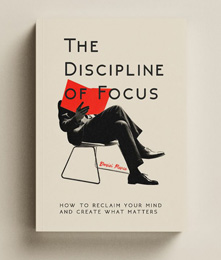
Some books are enjoyable while we read them, but others stay with us long after we reach the final page. They return in quiet moments, influence the way we think, or leave behind a character, idea, or feeling that is difficult to forget. A truly memorable book does more than tell a good story. It creates a connection that continues beyond the reading experience.
What makes one book stay in the mind while another slowly fades? The answer often lies in a combination of strong characters, meaningful themes, distinctive writing, emotional depth, and the right connection with the reader.
Characters That Feel Real
Memorable books often introduce characters who feel more human than fictional. They may be flawed, uncertain, brave, selfish, kind, difficult, or deeply complicated. What makes them powerful is not perfection, but authenticity. Readers can recognise parts of themselves or others in the way these characters think, react, and change.
A well-developed character gives the story emotional weight. Their choices matter because readers become invested in what happens to them. Even after the plot is forgotten, a striking character can remain clear in memory.
Ideas That Stay With Us
Some books become unforgettable because they raise questions that continue long after reading. They may explore identity, relationships, ambition, justice, loss, freedom, belonging, or the choices people make under pressure. These themes can encourage readers to reflect on their own experiences and beliefs.
A memorable book does not always provide clear answers. Sometimes its strength comes from leaving room for interpretation. When a story keeps making the reader think days or weeks later, it has already created a lasting impression.
Writing With A Distinct Voice
The way a book is written can be just as important as what happens in it. Some authors use simple and direct language, while others build rich descriptions, unusual structures, or lyrical sentences. A distinctive voice gives a book its personality.
Readers may remember certain phrases, the rhythm of the narration, or the atmosphere created through carefully chosen words. Strong writing does not always mean complicated writing. Often, the most memorable language feels natural while still expressing something with precision and emotional impact.
Emotion That Feels Genuine
Books remain with readers when they make them feel something deeply. A story might create joy, sadness, tension, comfort, surprise, nostalgia, or hope. These emotions form a connection between the reader and the book.
The most powerful moments are often not the loudest ones. A quiet conversation, a difficult decision, a small act of kindness, or a single realization can sometimes have more impact than a dramatic event. When emotion feels honest rather than forced, readers are more likely to carry it with them.
A Setting That Becomes Part Of The Story
A strong setting can make a book feel almost like a place the reader has visited. Whether the story takes place in a crowded city, a quiet village, an unfamiliar country, the environment helps shape the reading experience. Details of weather, streets, homes, landscapes, traditions, and everyday routines can make the setting feel vivid. When the place becomes closely connected to the characters and events, it becomes another part of what readers remember.
The Right Book At The Right Time
Sometimes a book becomes memorable because of when we read it. A story may connect with a particular stage of life, a question we are facing, or an emotion we already carry. The same book can feel completely different when read years later. This personal timing often explains why a book can mean so much to one reader while having less impact on another. Reading is personal, and memory makes it even more so.
More Than The Final Page
A memorable book continues to live through the thoughts it creates, the emotions it leaves behind, and the conversations it inspires. It may encourage someone to read more, see something differently, revisit an old idea, or simply remember how deeply a story once moved them. That lasting connection is what gives certain books their special place. The story ends on the page, but its influence can continue much further.